



Just a few months ago, the headlines were filled with panic.
On 2 April 2025, U.S. President Donald Trump announced "Liberation Day", where sweeping new tariffs shocked investors and sent markets tumbling.
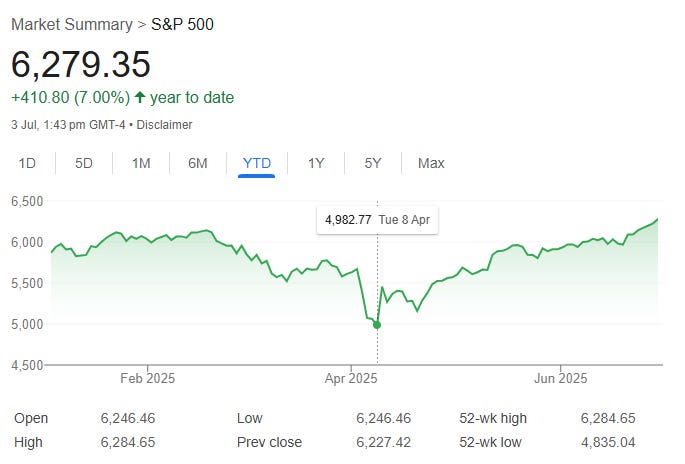
The S&P 500 swiftly declined and bottomed at around 5,000 points on 8 April. You could sense fear was in the air.
Fast forward three months later to 3 July 2025, the S&P 500 closed at a record high of 6,279 points, rising some 26% from the April low.
U.S. Treasury Secretary Scott Bessent remarked (emphases are mine):
"So we found out today this episode from April 3 to today is the fastest bounce-back after a 15 percent decline in S&P history, fastest bounce-back ever. So, we, the administration, don’t look at the stock market every day. What we tried to do was set in place economic fundamentals. And, presumably, the market had a chance to digest the panic and is looking forward."
His last line is worth repeating: “...the market had a chance to digest the panic and is looking forward.”
That’s exactly what the stock market does — it looks forward.
Not backwards at the headlines you’re reading today.
But into the future, well before it becomes obvious to the rest of us.
The Cost of Panic
This entire episode is yet another case study of why panic-selling should be avoided.
Yes, it might have felt “smart” to reduce your stock exposure in early April.
The news was grim, the tone was dire, and it felt like recession was just around the corner.
Selling to avoid the pain might have felt like the most prudent thing to do.
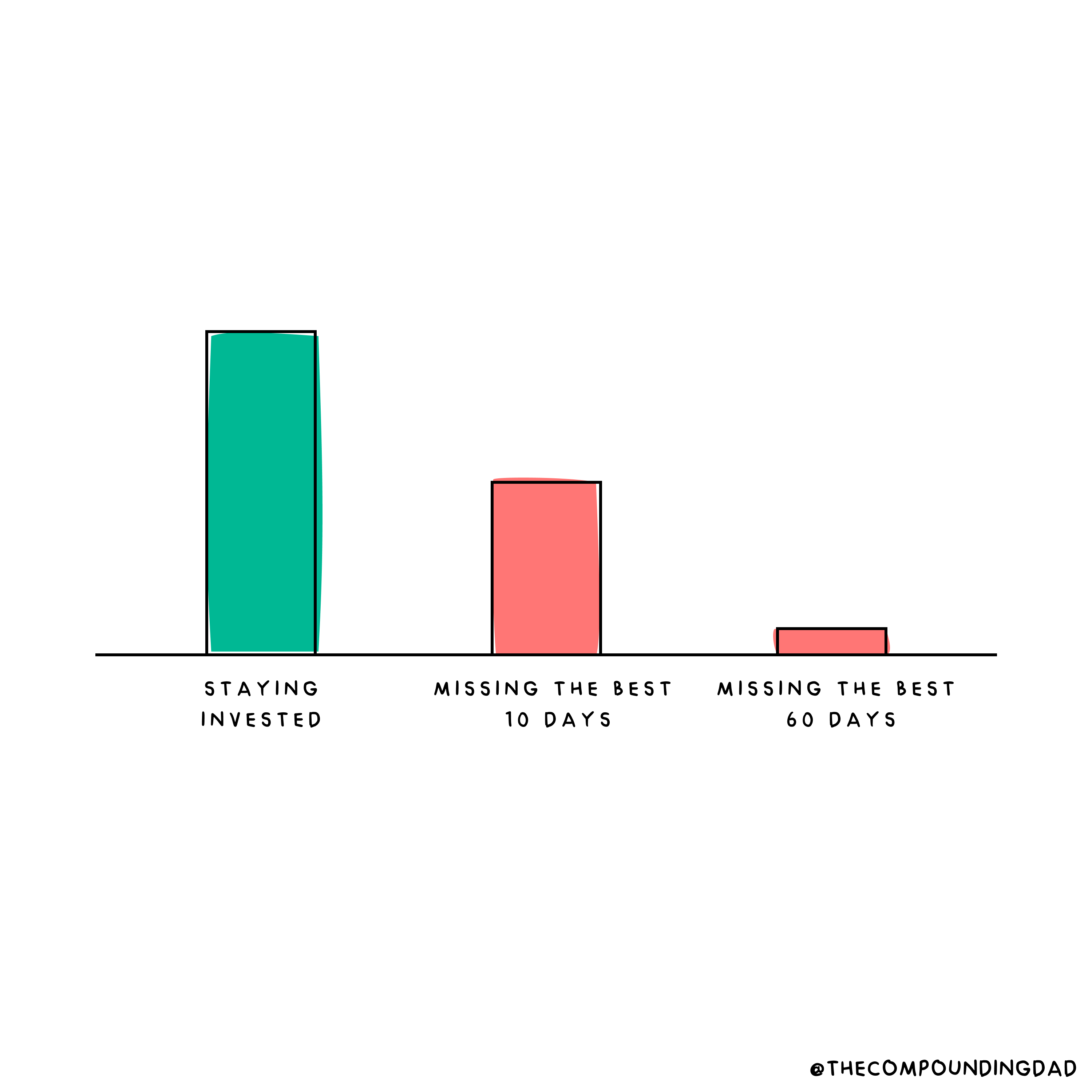
But if you had sold your stock portfolio then, you most likely would have missed the deft recovery.
This episode once again shows why market timing is really tough.
Stay Rational. Stay Invested.
The more rational move would have been to stay invested, and for those still accumulating wealth, to buy more shares while prices were lower.
This is hard to do in practice.
Which is why it helps to revisit the timeless wisdom of Warren Buffett whenever there’s market panic:
“A short quiz: If you plan to eat hamburgers throughout your life and are not a cattle producer, should you wish for higher or lower prices for beef? Likewise, if you are going to buy a car from time to time but are not an auto manufacturer, should you prefer higher or lower car prices? These questions, of course, answer themselves.
But now for the final exam: If you expect to be a net saver during the next five years, should you hope for a higher or lower stock market during that period?
Many investors get this one wrong… they rejoice because prices have risen for the ‘hamburgers’ they will soon be buying.
This reaction makes no sense. Only those who will be sellers of equities in the near future should be happy at seeing stocks rise. Prospective purchasers should much prefer sinking prices.”
In other words, market declines are good news for long-term accumulators. If you're still in your earning years, every dip is a sale.
The Stock Market Moves Up In the Long Run
It’s natural to feel nervous when markets hit record highs, like now. Many may worry that buying now is “buying at the top”. And what if stocks decline just after buying?
While counterintuitive, data shows that investing in stocks (using US large-cap equities as a proxy) at all-time highs has historically delivered better future returns than at other times.

But think about it.
All-time highs often lead to… more all-time highs.
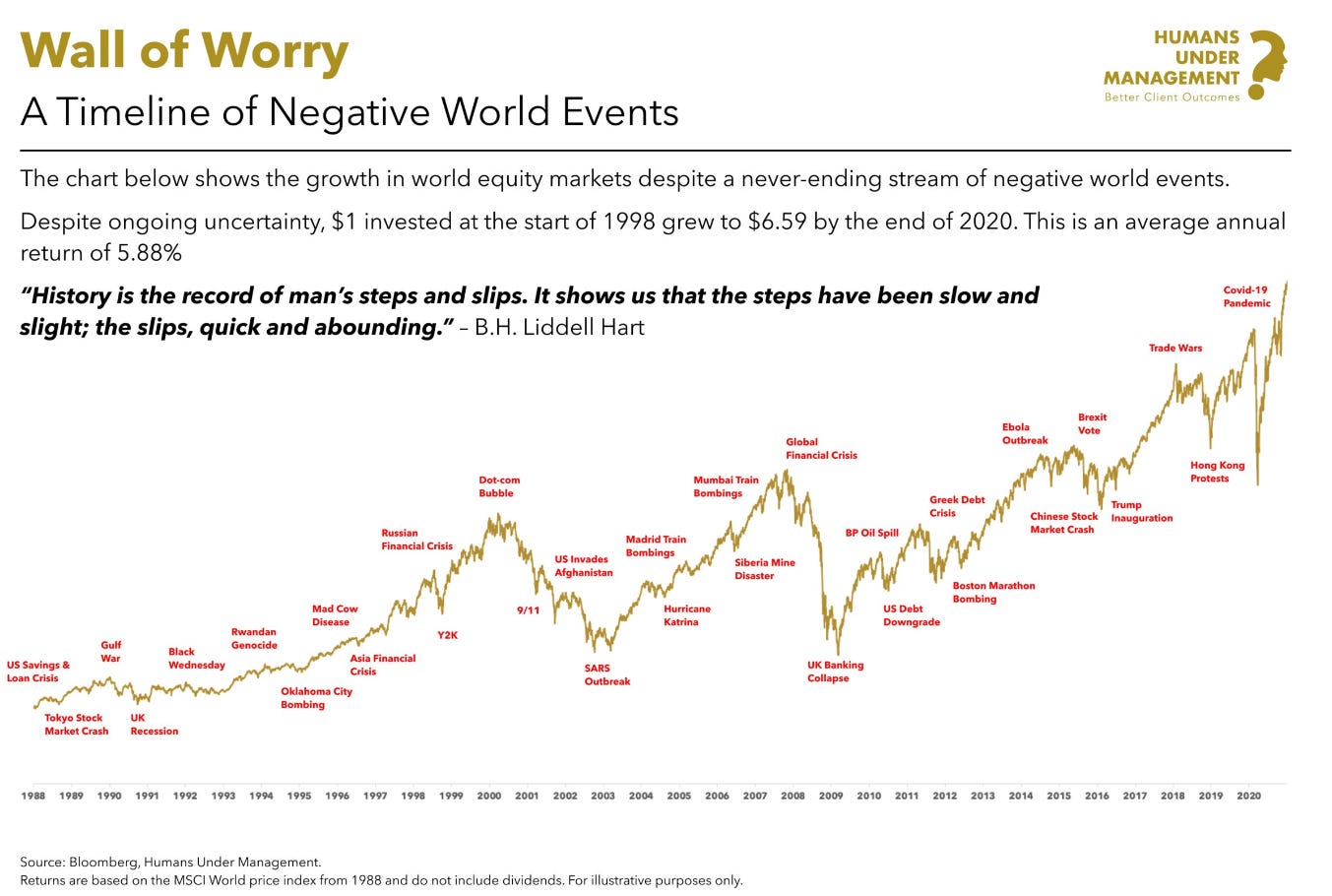
That’s how the stock market moves up naturally over the long term. Even when there’s something to worry about.
Now, with a 90-day pause in Trump’s tariff policy set to expire soon in the next couple of days, volatility may return.
But if there's one key lesson from the past few months, it's this:
Look beyond news headlines, stay the course, and let compounding do its quiet work.
Here’s to reaching your wealth goals!